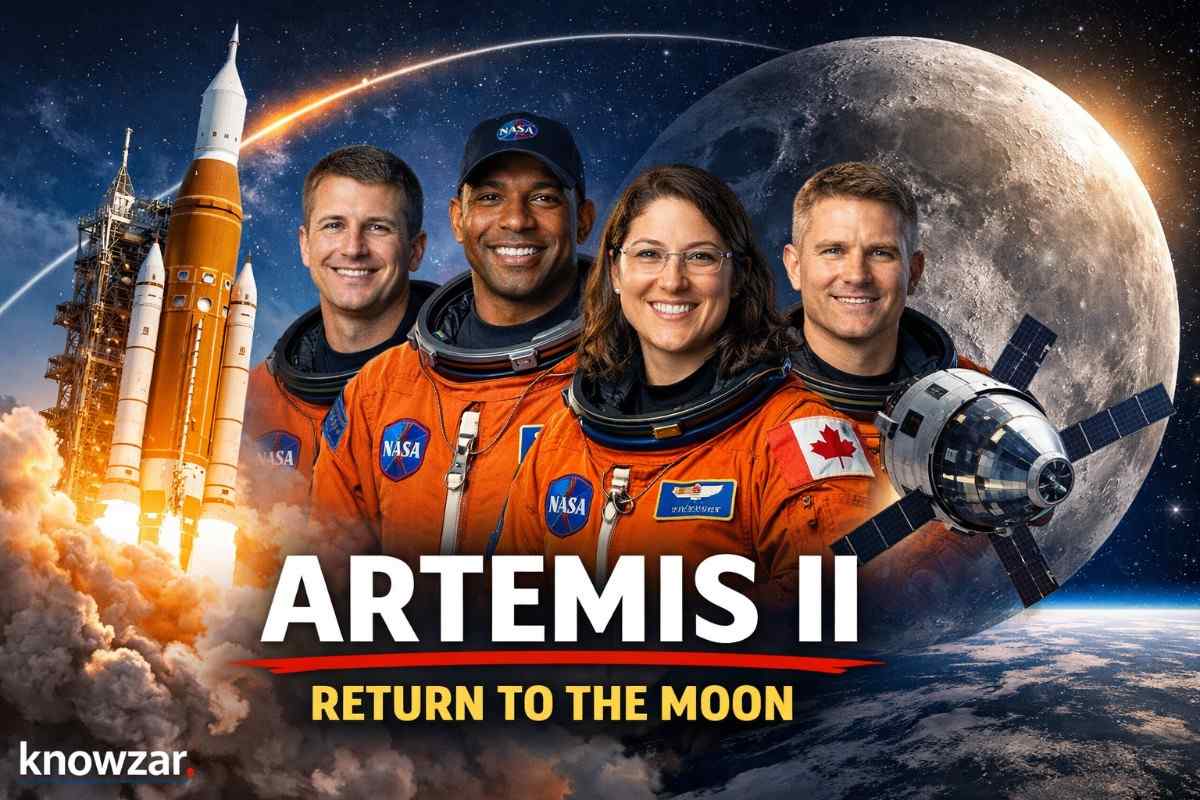
Artemis II is NASA’s first crewed lunar mission since 1972, designed to send astronauts around the Moon using the Orion spacecraft and SLS rocket as part of the Artemis program. When people talk about the future of space exploration, one mission keeps coming up again and again: Artemis II. This is not just another spaceflight. It’s the mission that will take humans around the Moon for the first time in more than 50 years, since the era of Apollo 17.
Here’s the thing. Artemis II is not about landing on the Moon. It’s about proving that we’re ready to go back safely, sustainably, and with a long-term vision. And that’s what makes it so important for students, educators, and anyone curious about science.
What is Artemis II?
Artemis II is the first crewed mission of NASA’s Artemis program. It will send astronauts on a journey around the Moon and back to Earth.
The mission is being led by NASA, in collaboration with international partners like European Space Agency.
Key Objective
- Test spacecraft systems with humans onboard
- Perform a lunar flyby
- Prepare for future Moon landing missions
Think of it as the “dress rehearsal” before humans actually land on the Moon again.
The Spacecraft: Orion and SLS
Orion Crew Capsule
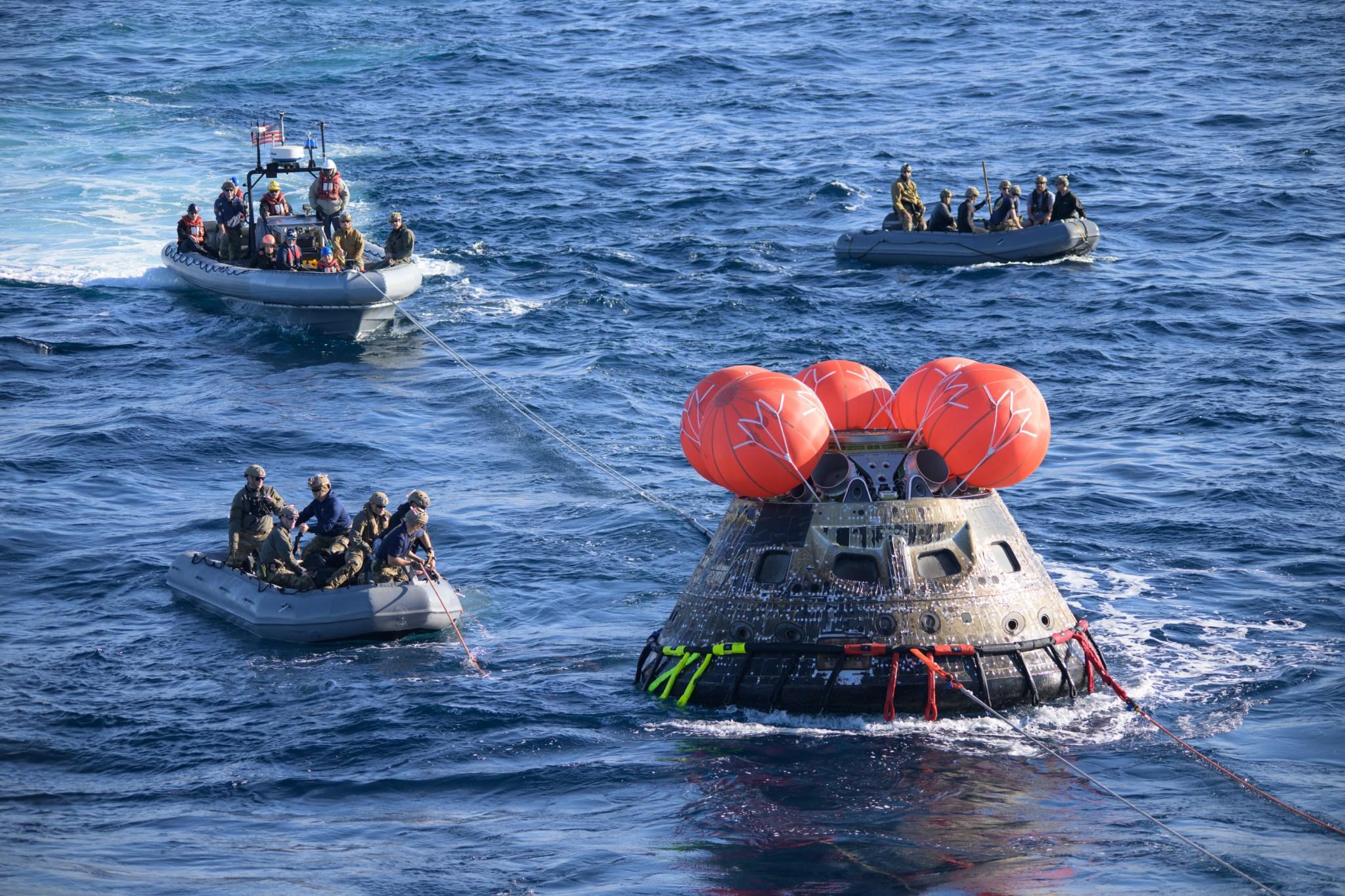
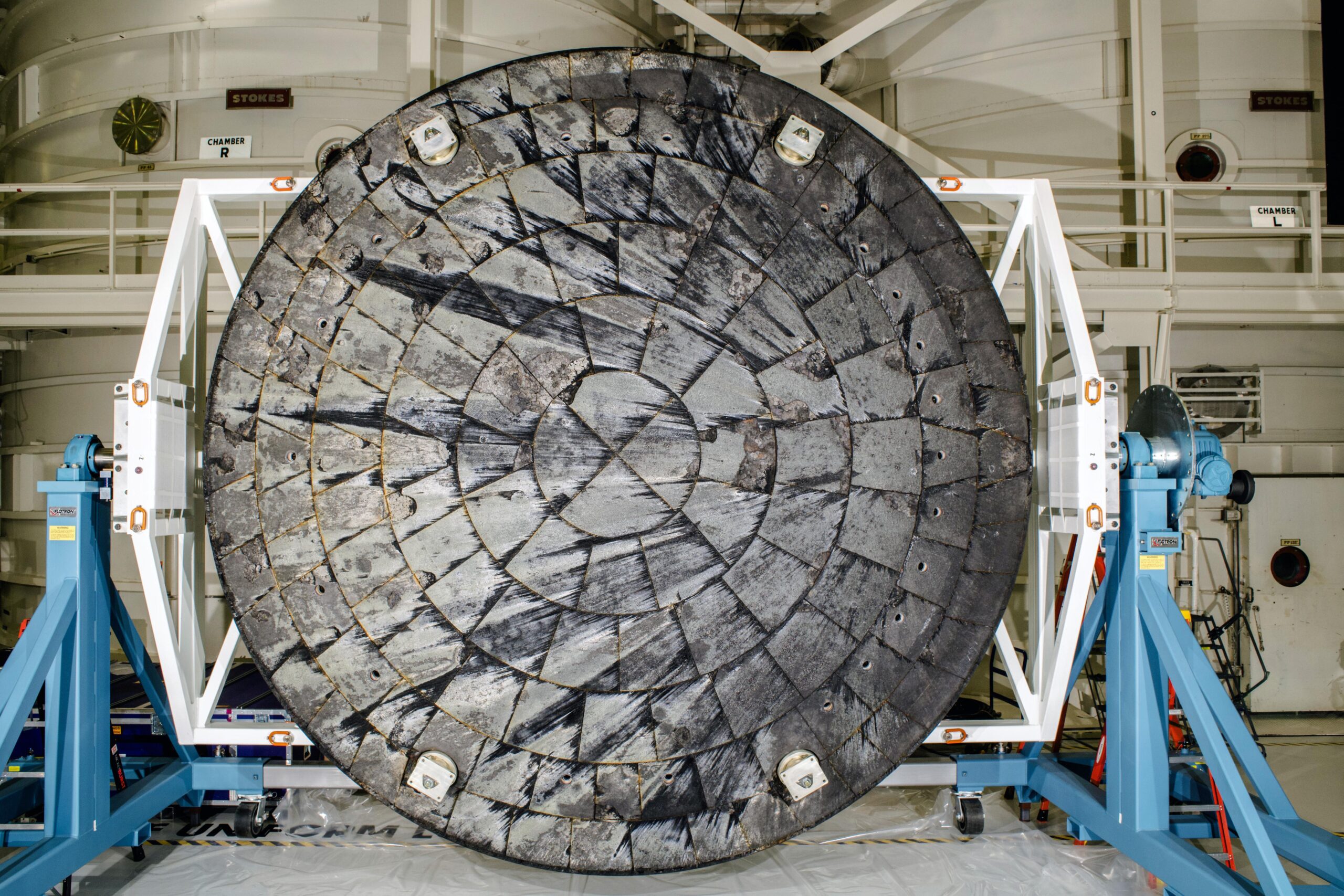
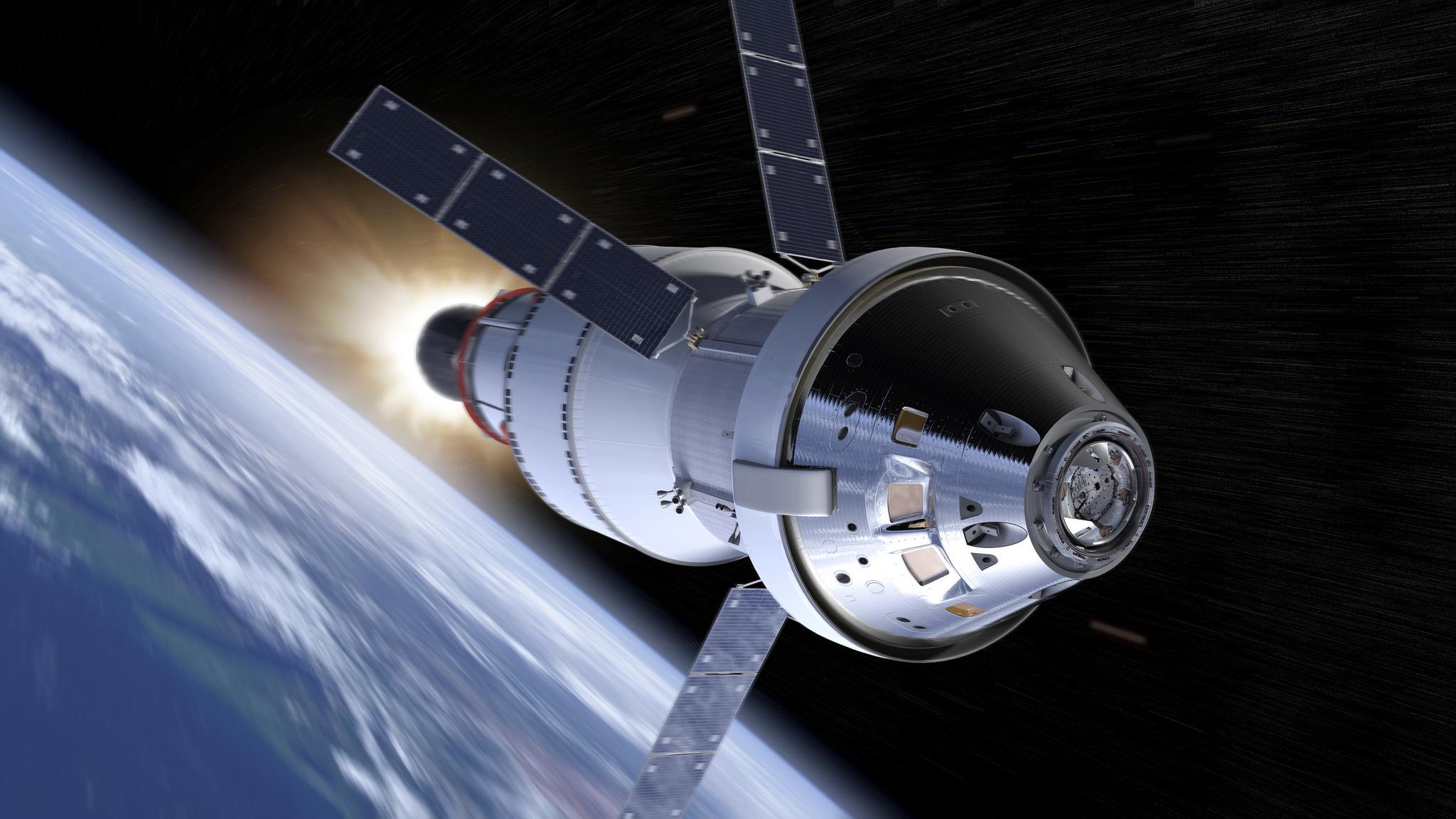
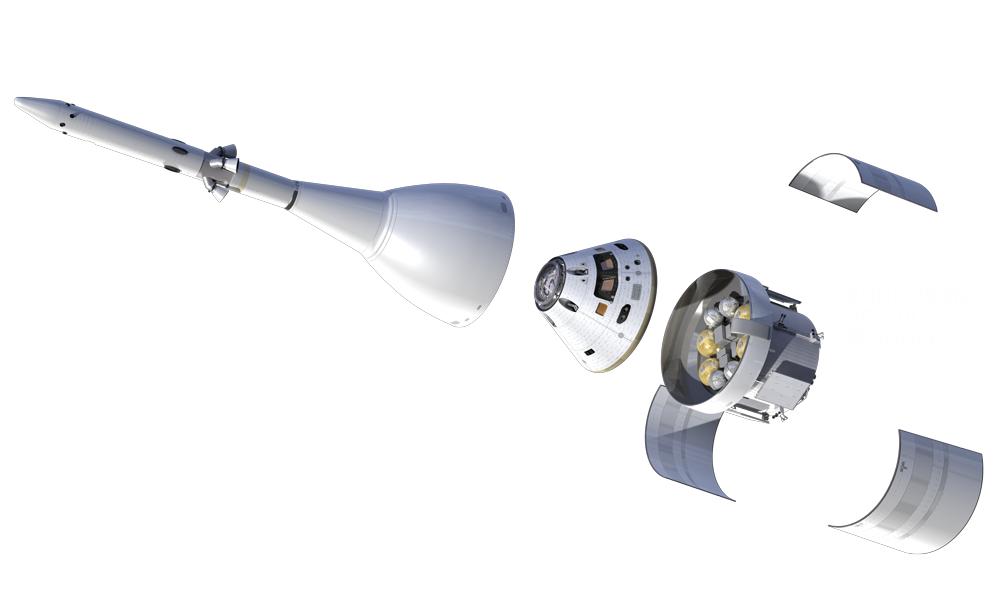
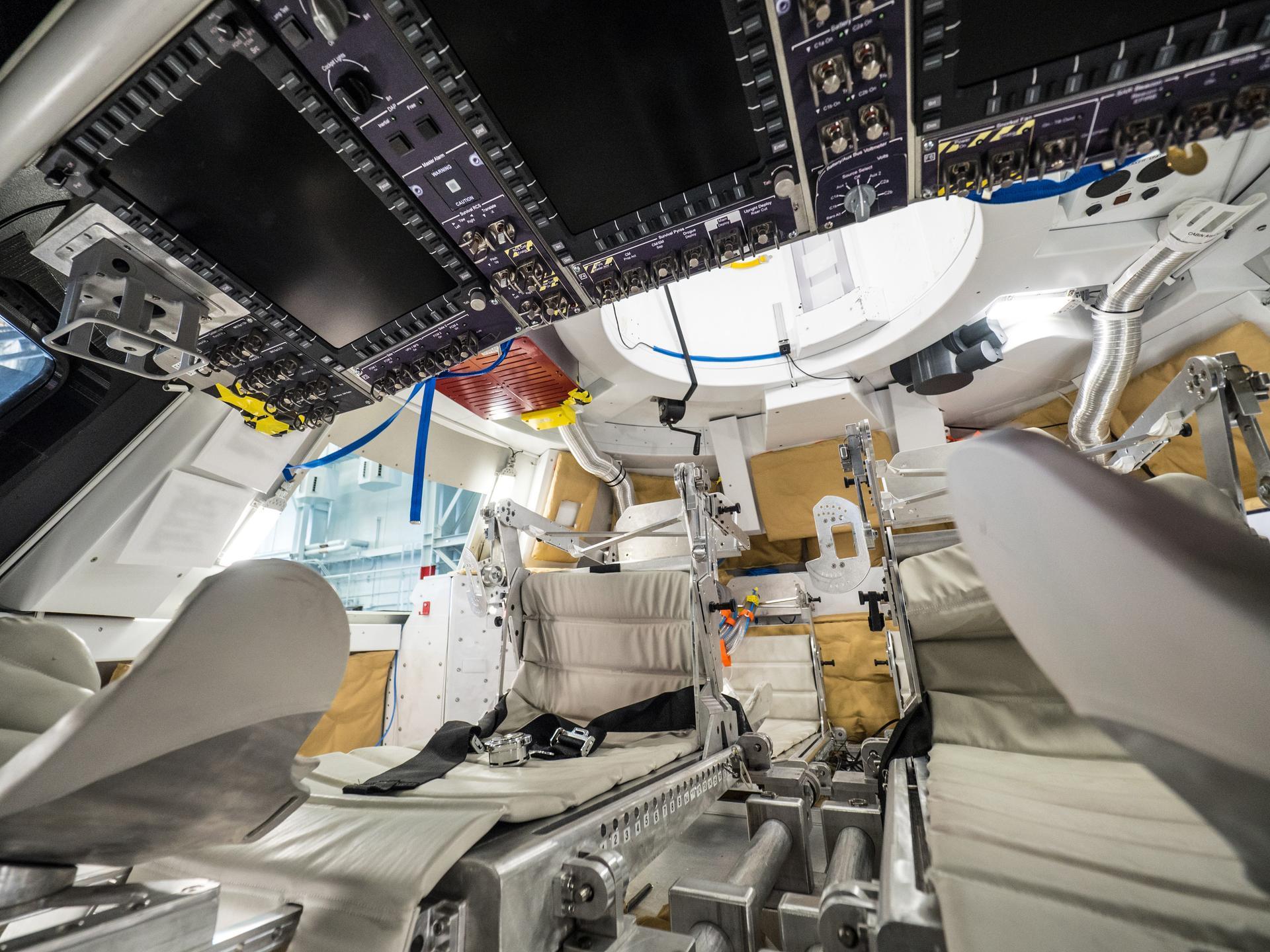
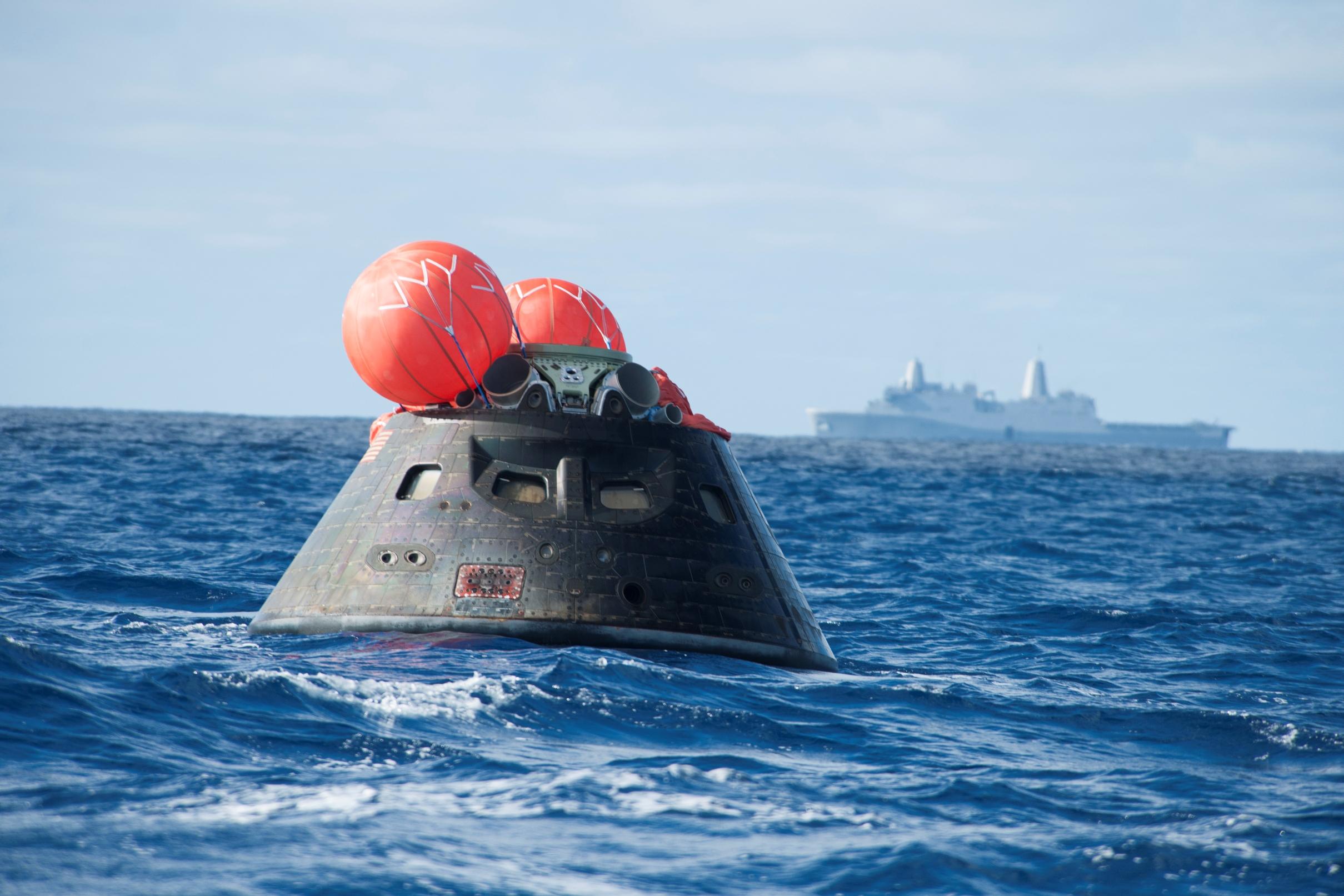
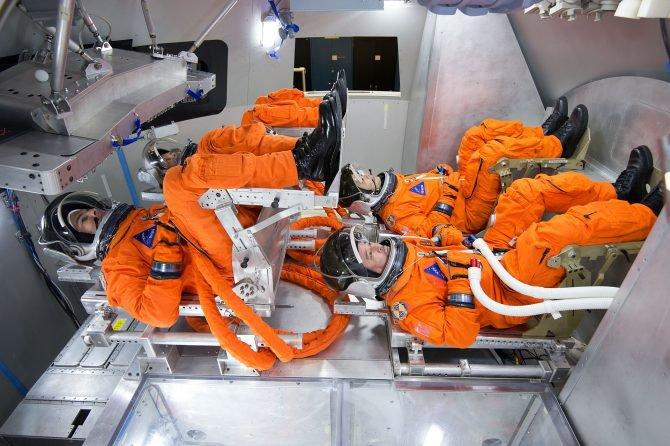
The astronauts will travel in the Orion spacecraft, designed to carry humans deeper into space than ever before.
What makes Orion special:
- Advanced life support systems
- High-speed re-entry capability
- Deep space navigation
Space Launch System (SLS)
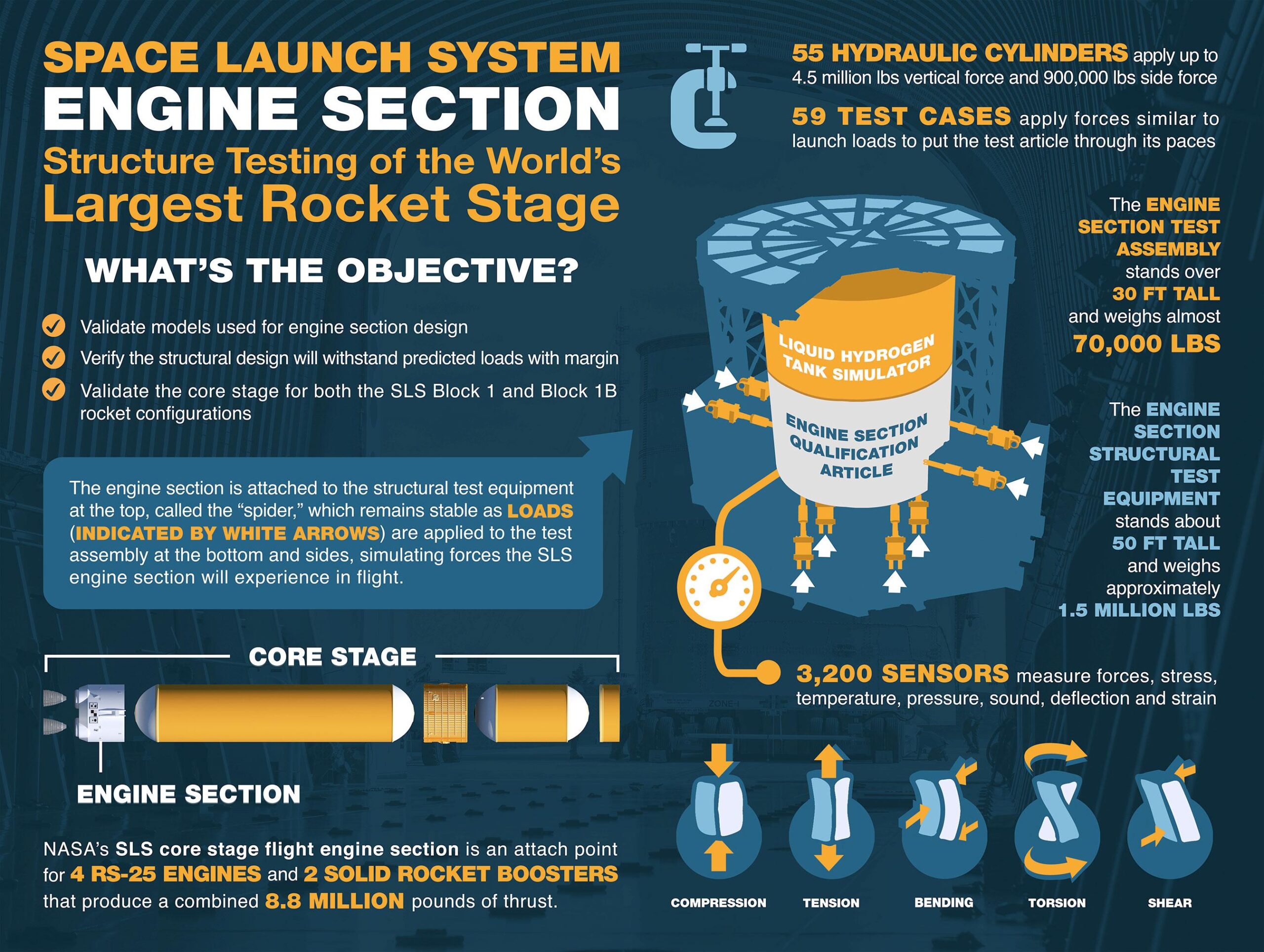
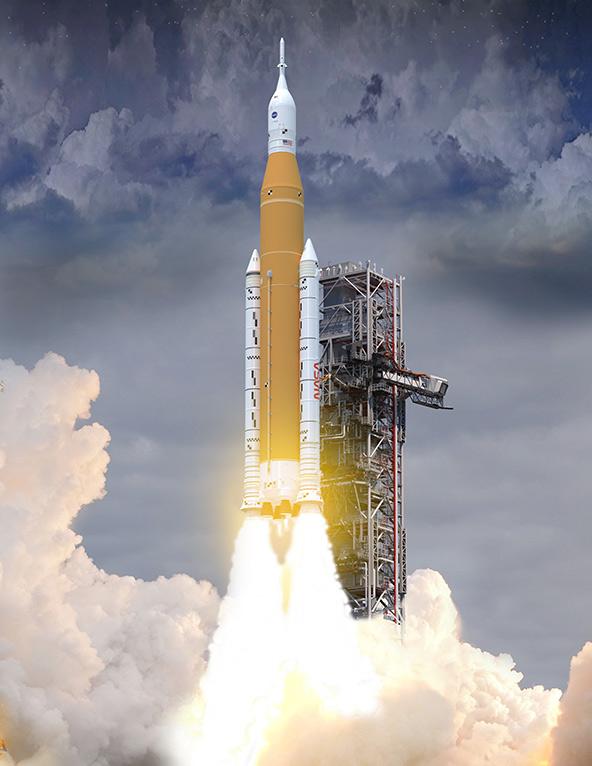
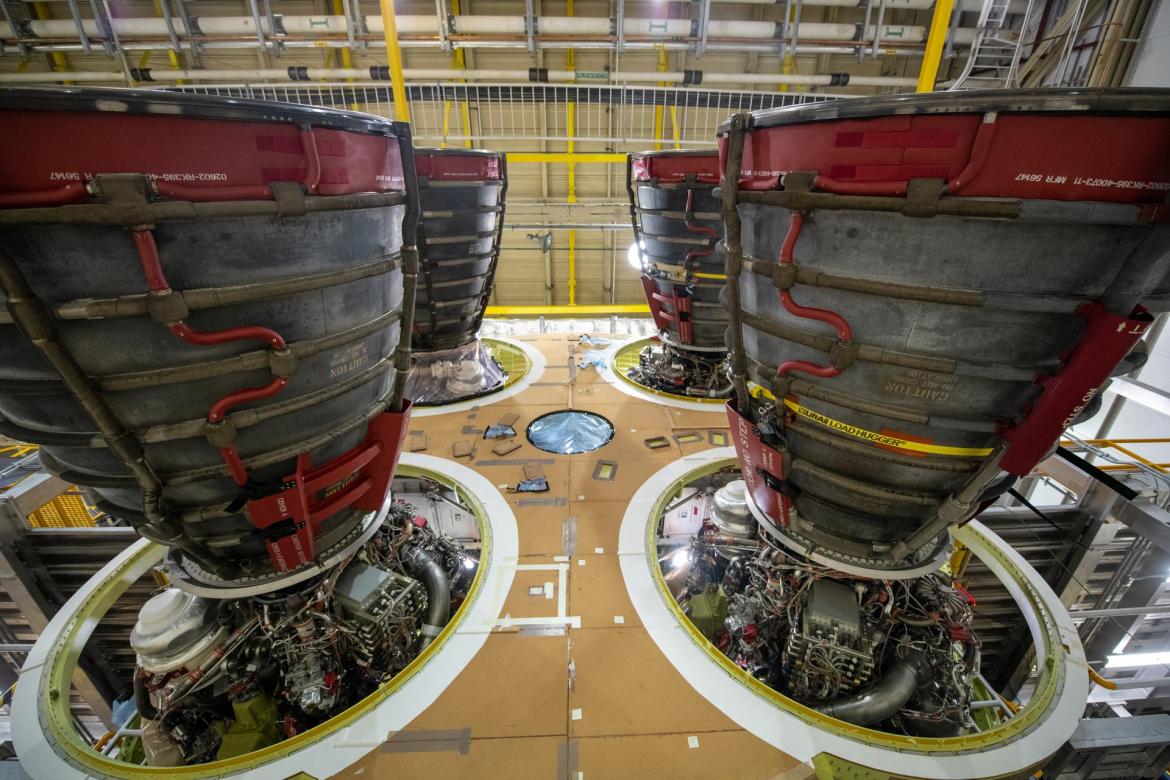
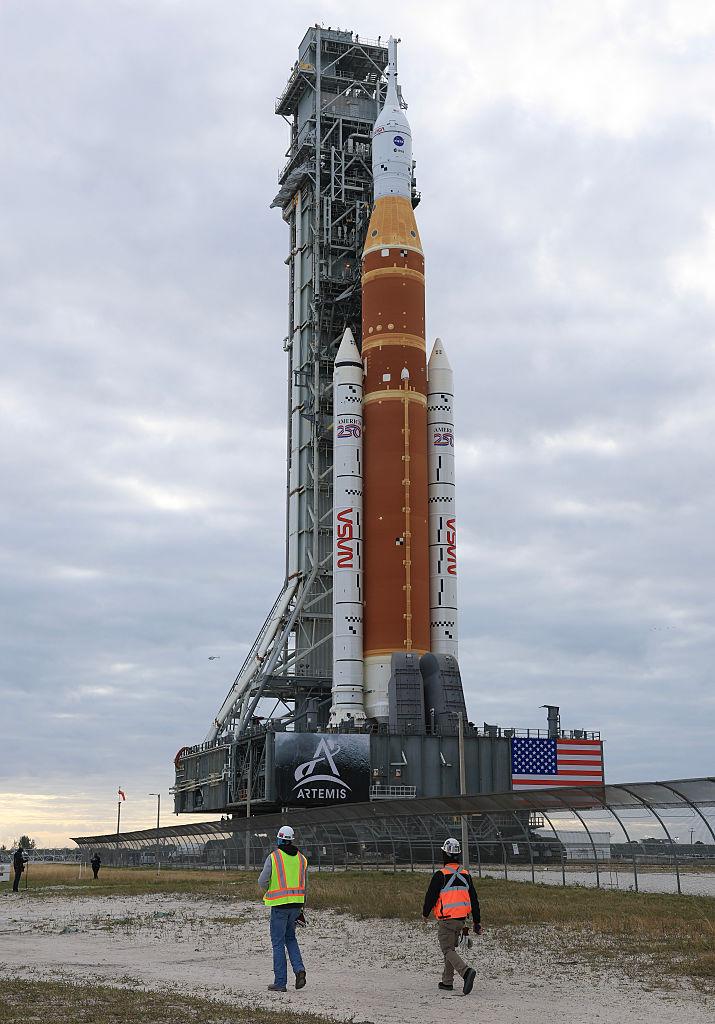
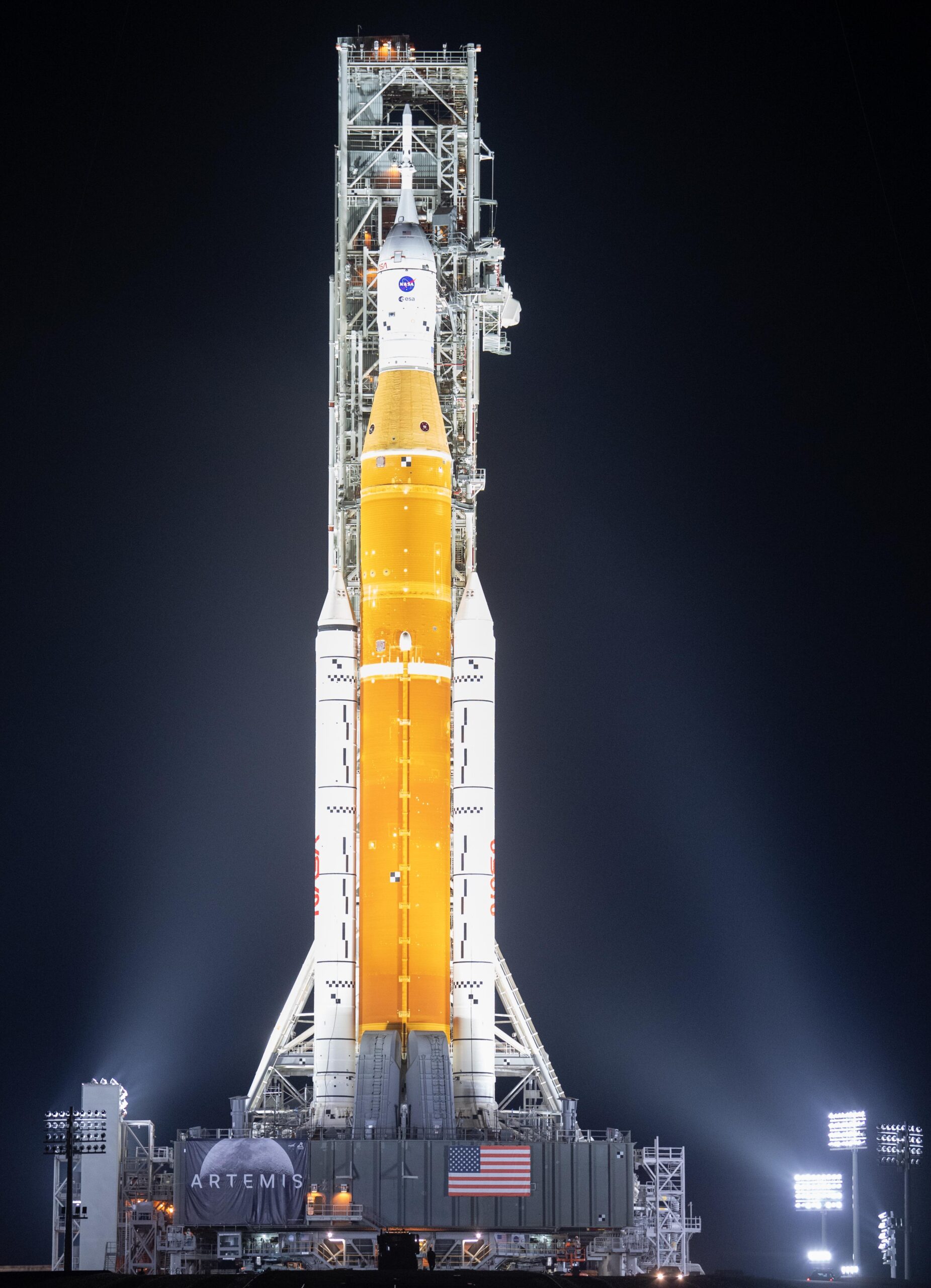
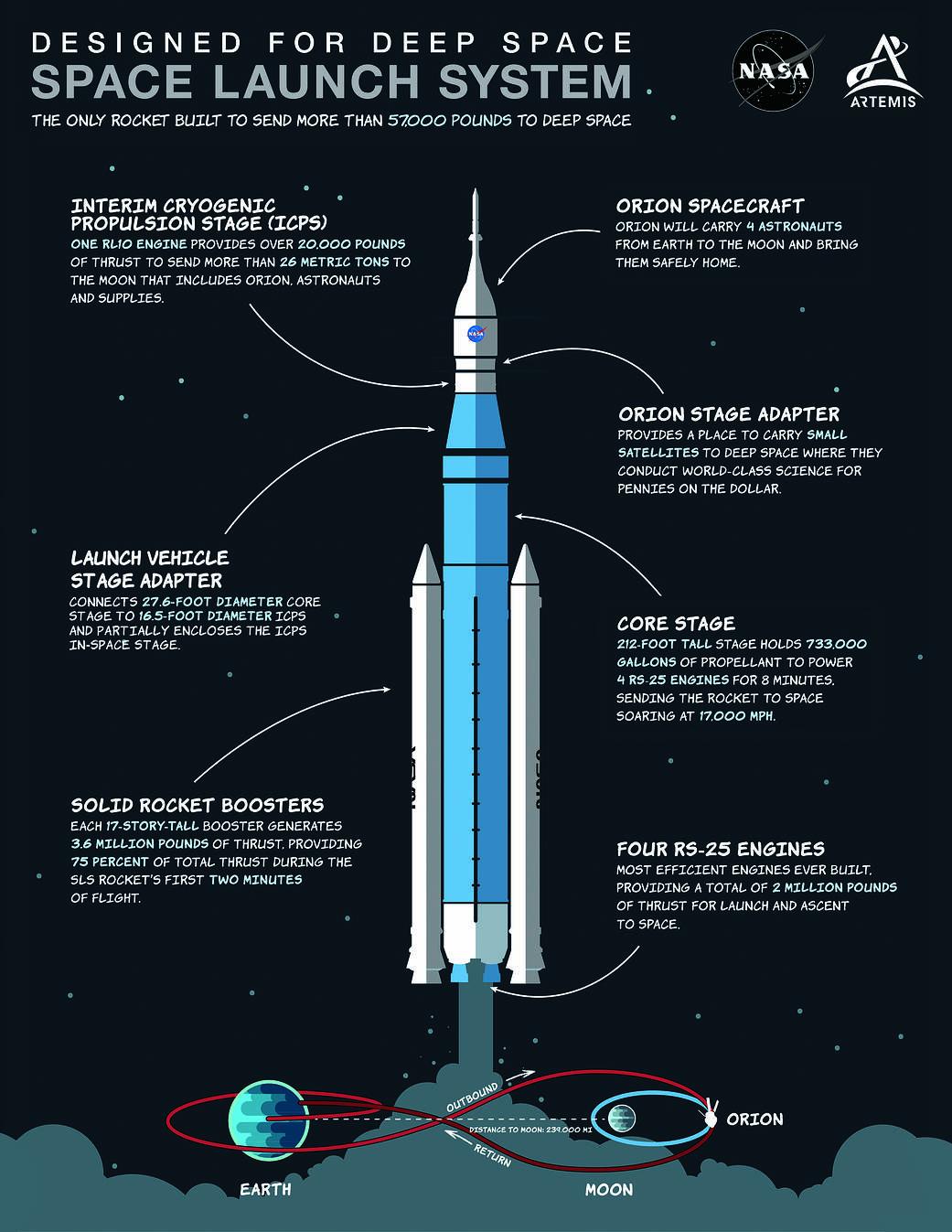
The Orion capsule will be launched by the SLS rocket, the most powerful rocket ever built by NASA.
Key facts:
- More powerful than the Saturn V
- Generates massive thrust at liftoff
- Designed for deep-space missions
Meet the Artemis II Crew
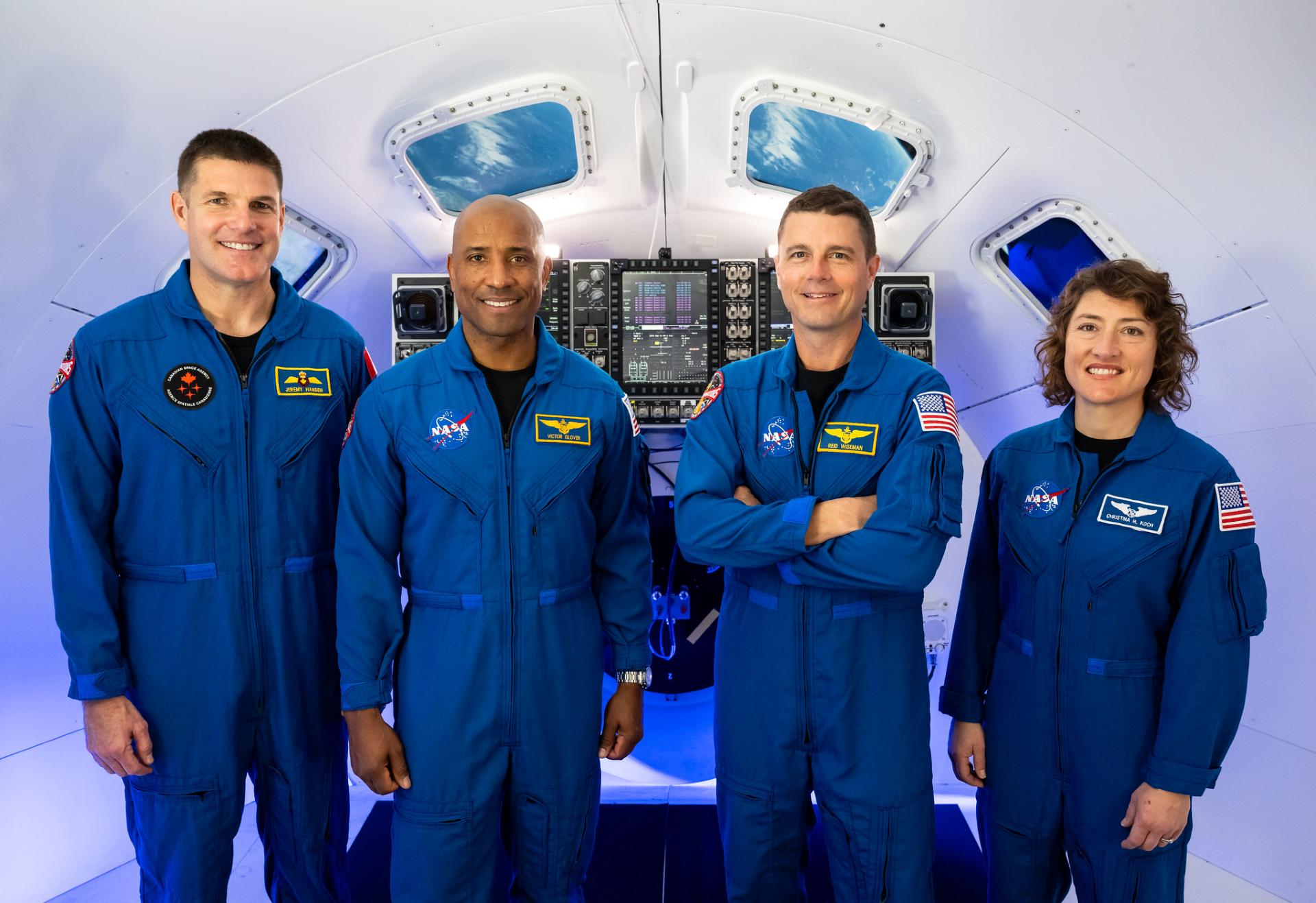
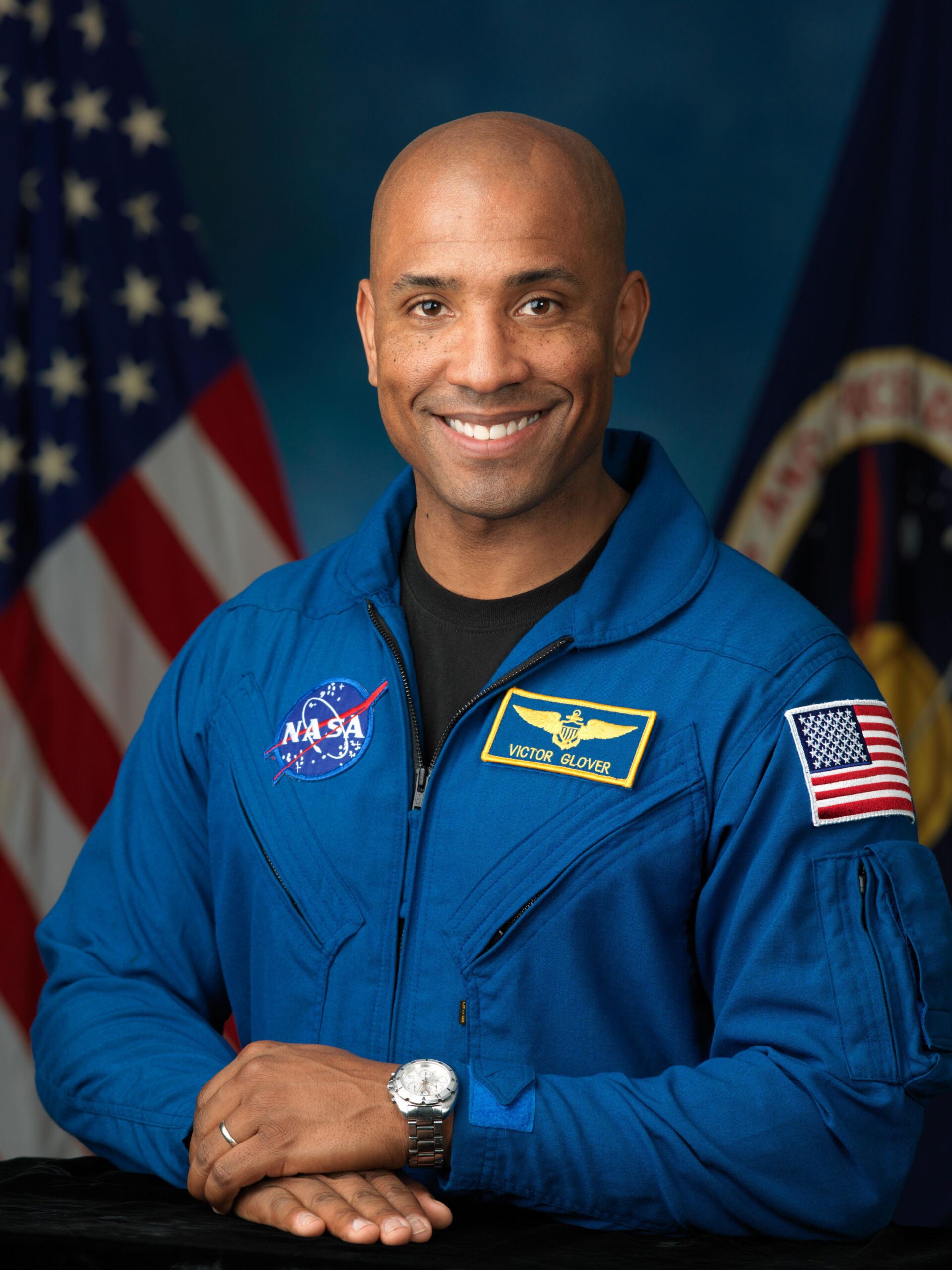
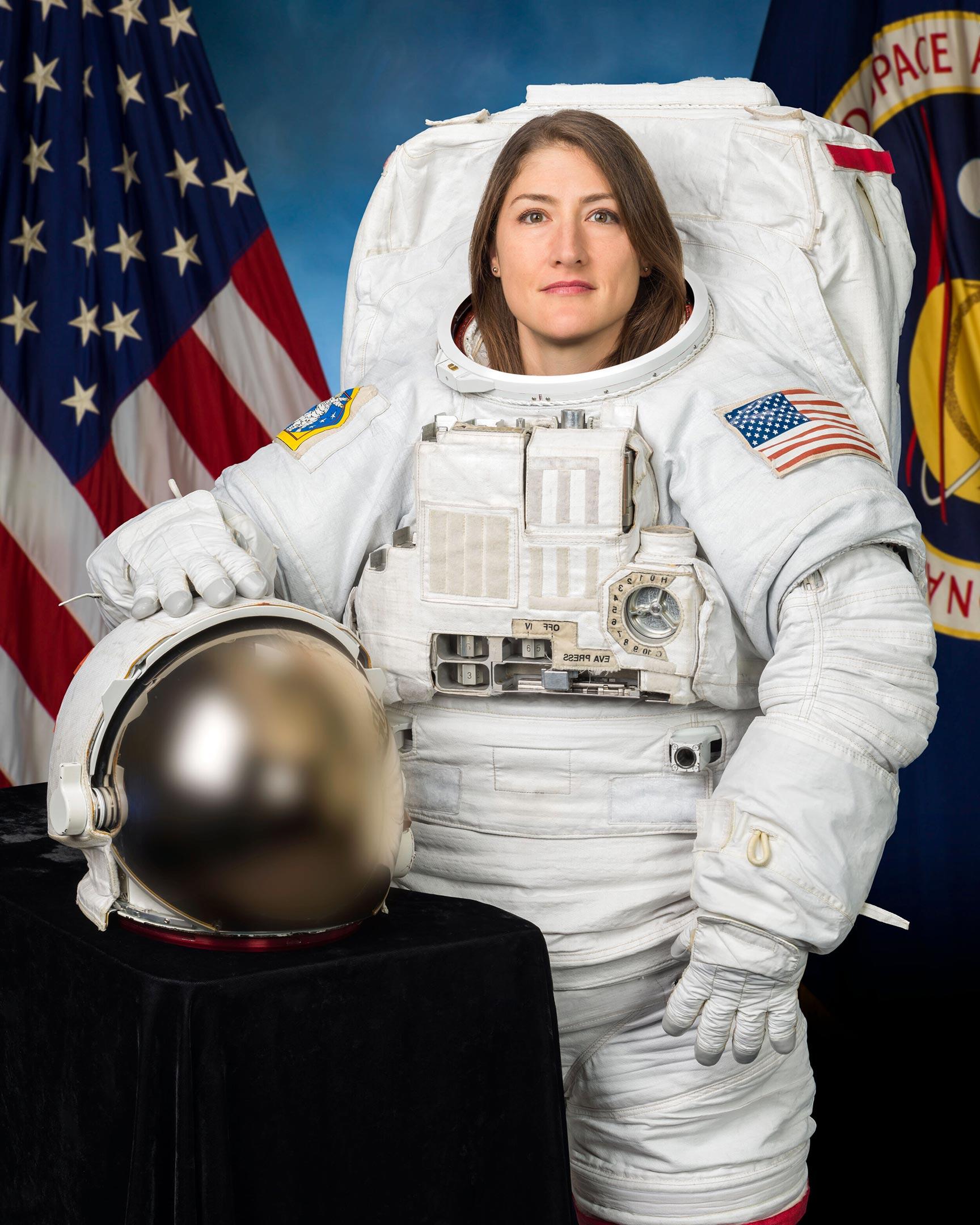
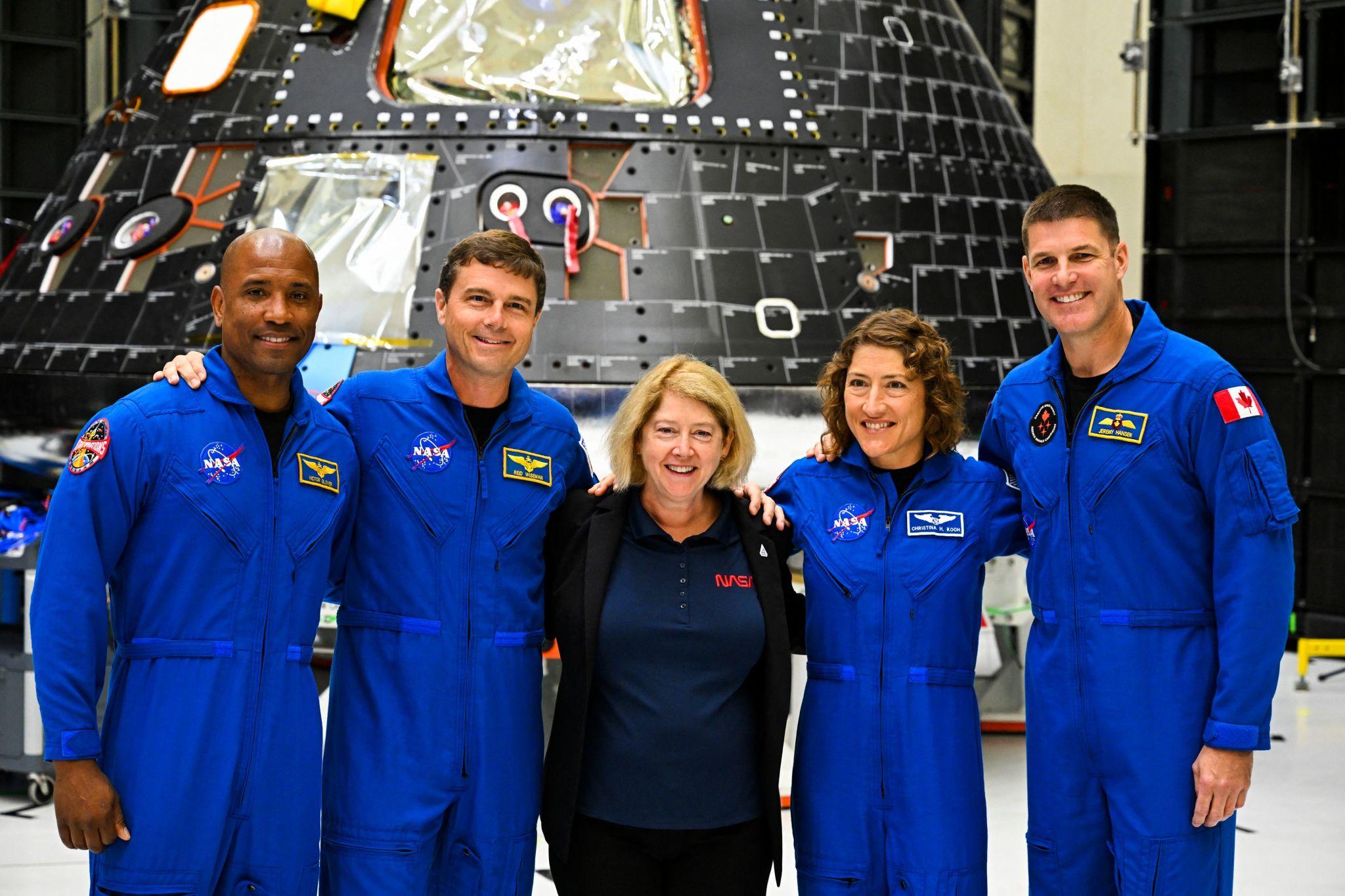
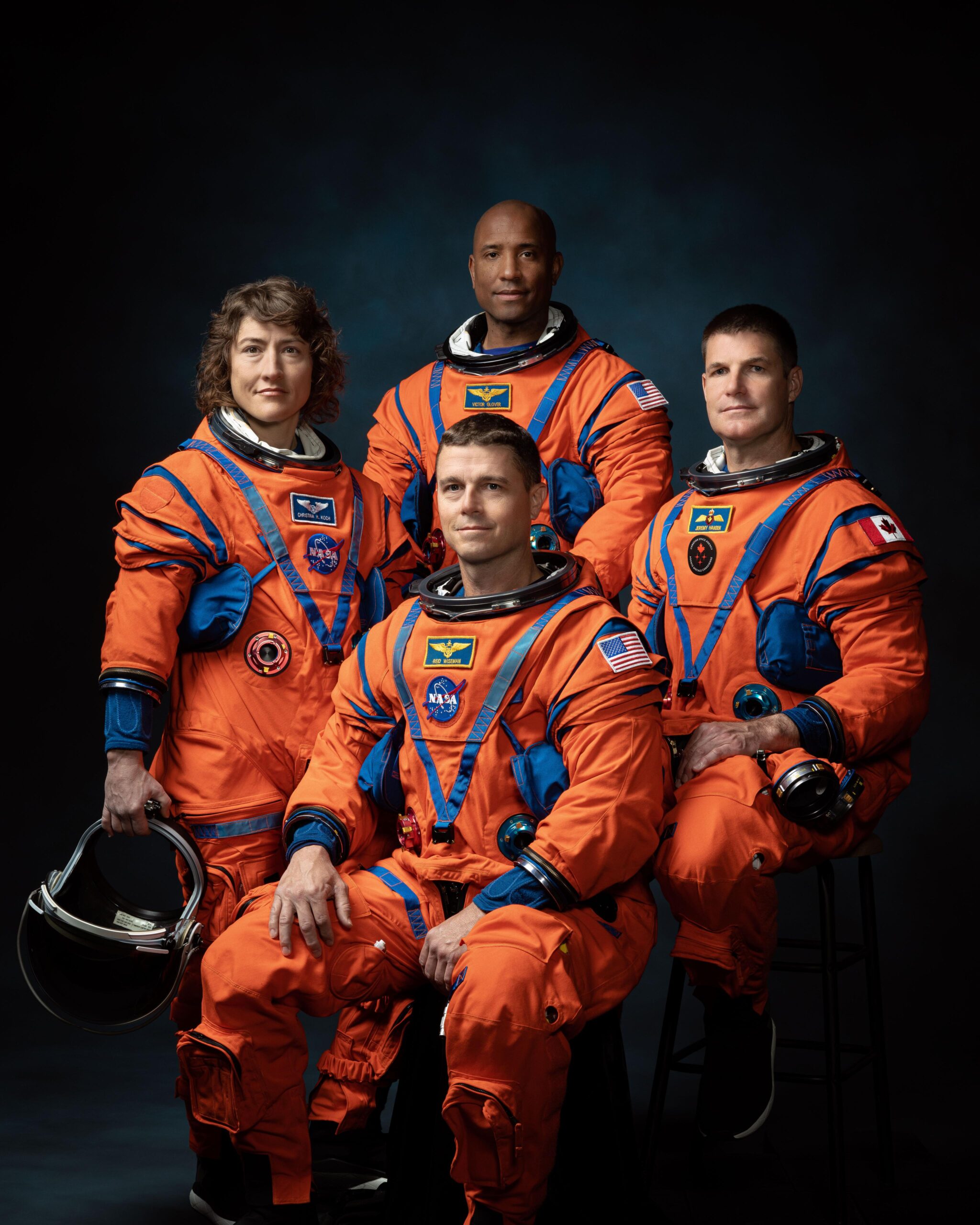
NASA has selected four astronauts for this historic journey:
- Reid Wiseman
- Victor Glover
- Christina Koch
- Jeremy Hansen
Why this crew is historic:
- First woman to travel around the Moon (Christina Koch)
- First Black astronaut on a lunar mission (Victor Glover)
- First Canadian on a Moon mission (Jeremy Hansen)
This mission reflects a more inclusive and global approach to space exploration.
Mission Profile: What Will Actually Happen?
Let’s break it down in simple terms.
- Launch from Earth
The SLS rocket lifts Orion into space - Earth Orbit Check
Systems are tested before heading farther - Trans-Lunar Injection
Orion is pushed toward the Moon - Lunar Flyby
The spacecraft travels around the Moon without landing - Return to Earth
Orion re-enters Earth’s atmosphere and splashes down
This entire journey will take about 10 days.
Record-Breaking Highlights
Artemis II isn’t just important. It’s record-setting in many ways.
1. First Crewed Lunar Mission Since 1972
No human has traveled beyond low Earth orbit since Apollo 17. Artemis II breaks that gap of over 50 years.
2. Most Powerful Rocket Ever Used for Humans
The SLS rocket surpasses even the legendary Saturn V in power.
3. Deep Space Human Travel Returns
This mission marks humanity’s return to deep space exploration, not just orbiting Earth.
4. Historic Diversity in Crew
For the first time, a woman, a Black astronaut, and a Canadian astronaut will journey around the Moon together.
5. Gateway to Future Moon Landings
Artemis II sets the stage for Artemis III, which aims to land humans on the Moon again.
Why Artemis II Matters (Educational Perspective)
For students, this mission is a goldmine of learning.
It connects multiple subjects:
- Physics → rocket propulsion, gravity, orbital motion
- Engineering → spacecraft design and safety
- Biology → human survival in space
- Geography/Astronomy → Moon’s surface and orbit
What this really means is simple:
Artemis II shows how classroom concepts are applied in real-world, high-stakes missions.
Frequently Asked Questions (FAQs)
1. When will Artemis II launch?
NASA is targeting a launch window around 2025–2026, depending on testing and readiness.
2. Will Artemis II land on the Moon?
No. It will only orbit the Moon. The landing is planned for Artemis III.
3. How far will the astronauts travel?
They will travel hundreds of thousands of kilometers, going beyond the Moon and returning to Earth.
4. Is Artemis II dangerous?
All space missions carry risks, but NASA has designed Orion and SLS with advanced safety systems to minimize them.
5. Why is this mission important for the future?
Because it prepares humans for:
- Long-term Moon missions
- Building lunar bases
- Future missions to Mars
Final Thoughts
Artemis II is more than a mission. It’s a statement that humanity is ready to explore beyond Earth again.
After decades of staying close to our planet, we are finally pushing outward. And this time, it’s not just about flags and footprints. It’s about building a future in space.
For students reading this on Knowzar, this mission is a reminder that science is not just theory. It’s happening right now, shaping the future you’re going to be part of.